The difference between people who are still practicing yoga in a year and people who bought a mat in January is rarely talent or flexibility. It is structure. A weekly practice survives when it is small, scheduled, and attached to the week you actually live, rather than the ideal week you keep meaning to have. Cornelius schedules fill with good intentions every New Year. The routines below are built to be kept in March.
Design yours in four decisions: how many sessions, which kinds, when exactly, and what counts as a successful week when life interferes.
Decision one: start with two, not five
Two classes a week is the sweet spot for a beginner's first season: enough frequency for the body to learn and adapt, few enough to fit around work, family, and weather. One class a week maintains a habit but builds slowly, and many once-a-week practitioners drift away because progress is too quiet to notice. Five a week, the classic January resolution, usually lasts about ten days. If two goes well for a month, add a third with your eyes open. Growth by addition beats collapse by ambition, in yoga as in most things.
- Pick two anchor classes at fixed times and treat them like appointments, not options.
- Combine one stronger class (Vinyasa or an active Hatha) with one slower class (deep stretch, gentle Hatha, or chair yoga) each week.
- Put classes on the calendar with travel time included; Lake Norman traffic is part of the practice plan, like it or not.
- Keep a mat and change of clothes in the car, so a late-running day cannot vote the class down.
- Decide the minimum week in advance: one class plus fifteen minutes at home still counts as a kept week.
- Track attendance, not performance. A simple check mark per session is the whole system.
- Review monthly: if a time slot keeps failing, move the class, do not blame the practitioner.
- Add home practice in small pieces: five minutes of breathing or three poses after a shower beats a planned hour that never happens.
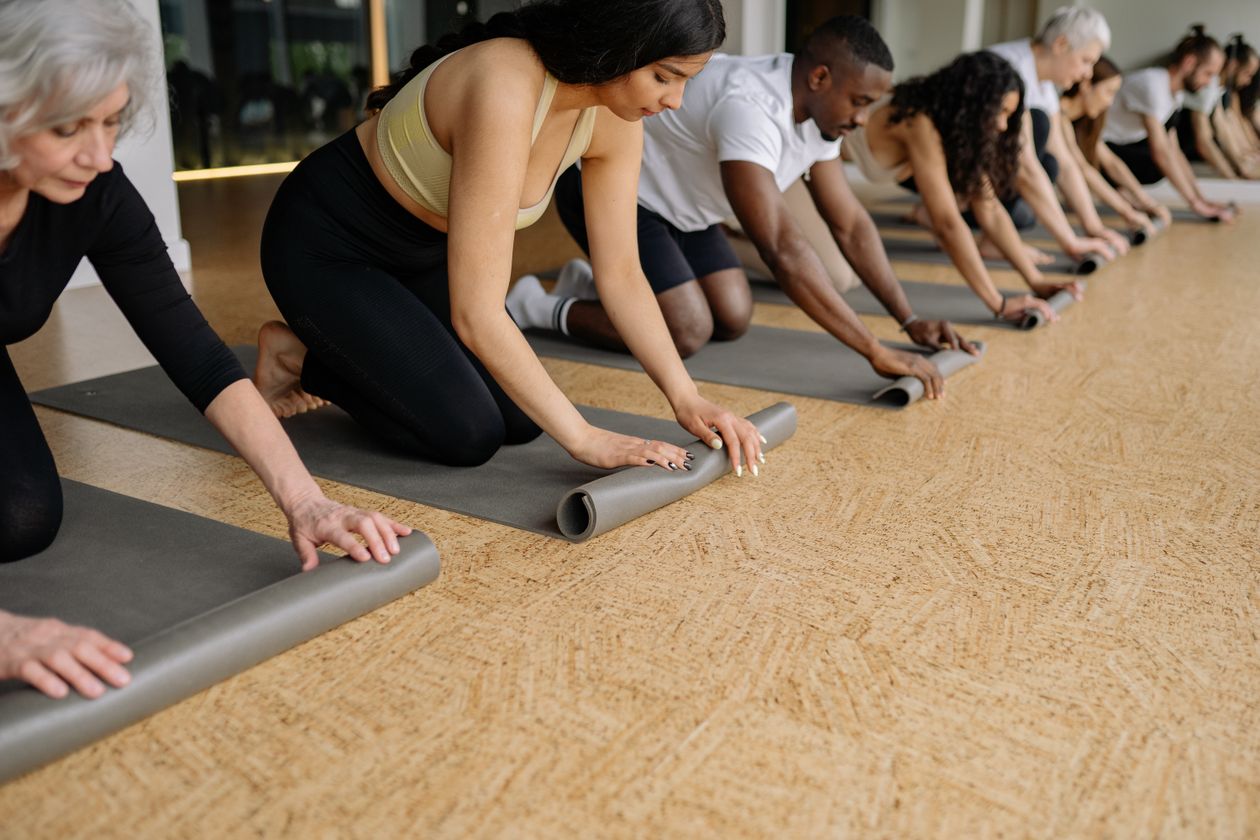
Decision two: mix the menu on purpose
A week of only vigorous classes wears joints and enthusiasm down; a week of only gentle classes can stall strength and interest. The blend most Cornelius regulars settle into is one class that asks something of them, one class that gives something back. Studios like Community Yoga schedule Hatha, Vinyasa, Kundalini, chair yoga, and deep stretch across the week partly so this blending is easy. The slower class is not a lesser appointment. It is where flexibility and recovery are built, and it is frequently the session people credit for keeping the habit pleasant rather than dutiful.
Decision three: defend the first month
Habits are most fragile before they become identity. In the first month, go when it is inconvenient at least twice, on purpose, because those are the sessions that convert a plan into a practice. Tell one person your class times; mild accountability outperforms private resolve. Expect the novelty to fade around week three and the real benefits (sleep, steadiness, the back that stops complaining) to arrive around week five. People who quit usually quit in the gap between those two events, which is a shame, because the gap is about ten days wide.
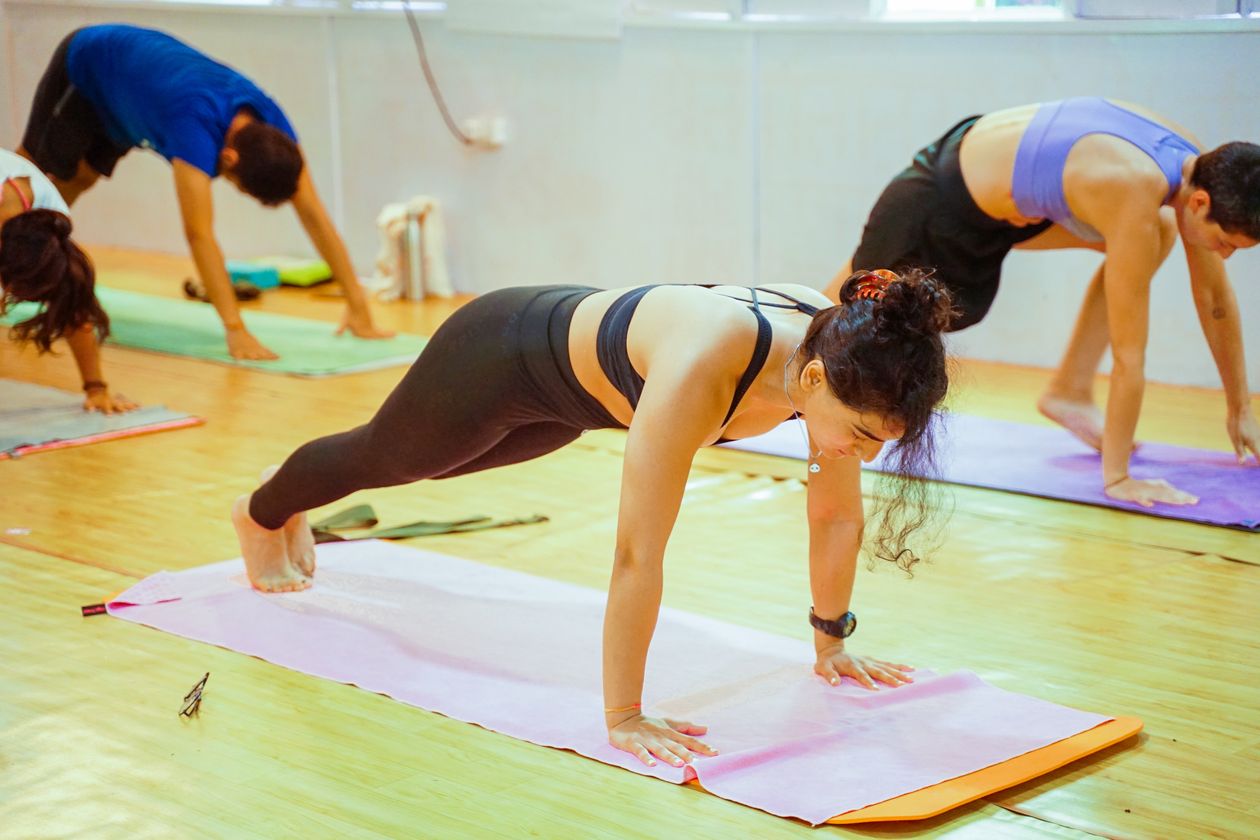
Decision four: plan the bad week now
Travel, illness, deadlines, and family life will interrupt; a routine with no failure mode fails. Decide in advance what a disrupted week looks like: one studio class instead of two, or two short home sessions, or a single gentle class taken kindly. Then the bad week is a variation, not a collapse, and returning is just the next scheduled session rather than a restart ceremony. The practitioners with ten-year habits are not the ones who never missed. They are the ones who never had to start over, because their plan included missing.
Cost belongs in the structure conversation too, stated plainly: a pass you use twice a week is a bargain and a pass you use twice a month is not, regardless of the number on it. New-student offers exist so you can test the routine before committing to it. Run the experiment at the beginner price, prove the two anchor classes to yourself for a few weeks, and then buy the arrangement that matches the attendance you actually demonstrated. Structure first, spending second, in that order.
Common questions
Is morning or evening practice better?
The better one is the one adjacent to a part of your day that is already stable. Morning people keep morning classes; evening classes suit people whose mornings are chaos. Consistency beats chronotype theories.
How long before yoga feels easier?
The movements feel familiar in about a month of twice-weekly practice. Individual poses keep getting refined for years, which is normal and, for many people, the point.
Can I practice every day?
You can, if intensity rotates: strong days and gentle days alternating. Daily vigorous practice without recovery days is where overuse complaints come from.
Photos in this guide are representative stock images.
← All guides from Community Yoga← Back to Community Yoga