Studio schedules read like a menu in a language you half-know: Hatha on Tuesday, Vinyasa on Monday evening, Kundalini on Sunday morning. The names are styles, and the styles differ in pace, structure, and what the hour asks of you. Picking by name alone is how a beginner ends up in a fast flowing class wondering what happened, or a restless practitioner ends up in a slow held practice checking the clock. A plain comparison fixes the matching problem.
These are the three styles on the schedule at Community Yoga in Cornelius, and the honest differences between them.
| Point | Hatha | Vinyasa | Kundalini |
|---|---|---|---|
| Pace | Slow to moderate | Brisk, continuous | Mixed, with still intervals |
| Structure | Poses held for several breaths, one at a time | Poses linked into flowing sequences | Sets of exercises (kriyas) combining movement, breath, and chant |
| Breath's role | Steady breathing inside each pose | Breath leads each movement | Specific breathing patterns are central, including rapid energizing breath |
| Meditation | Brief, at the start and end | Light, woven into movement | Substantial: meditation and mantra are core, not garnish |
| Feels like | Learning and steadying | A workout that happens to be yoga-shaped | Part movement class, part meditation session |
| Good first pick if | You are new, returning, or want form and calm | You are reasonably fit and get bored holding still | You want the mental and meditative side emphasized |
Hatha: the foundation style
Hatha is the umbrella term for physical yoga, and as a class name it usually means a balanced, posture-by-posture practice at a humane pace. Poses are held long enough to find alignment and breathe inside them. For beginners, this is where the vocabulary gets learned: what a forward fold is, where your hips go in a lunge, how your own body differs from the demonstration. It is also the style experienced practitioners return to when something hurts or life is loud, because the pace leaves room to pay attention. Do not mistake slow for easy. A held pose at full effort is hard work; it is just honest about where the effort is.
Vinyasa: movement as the organizing idea
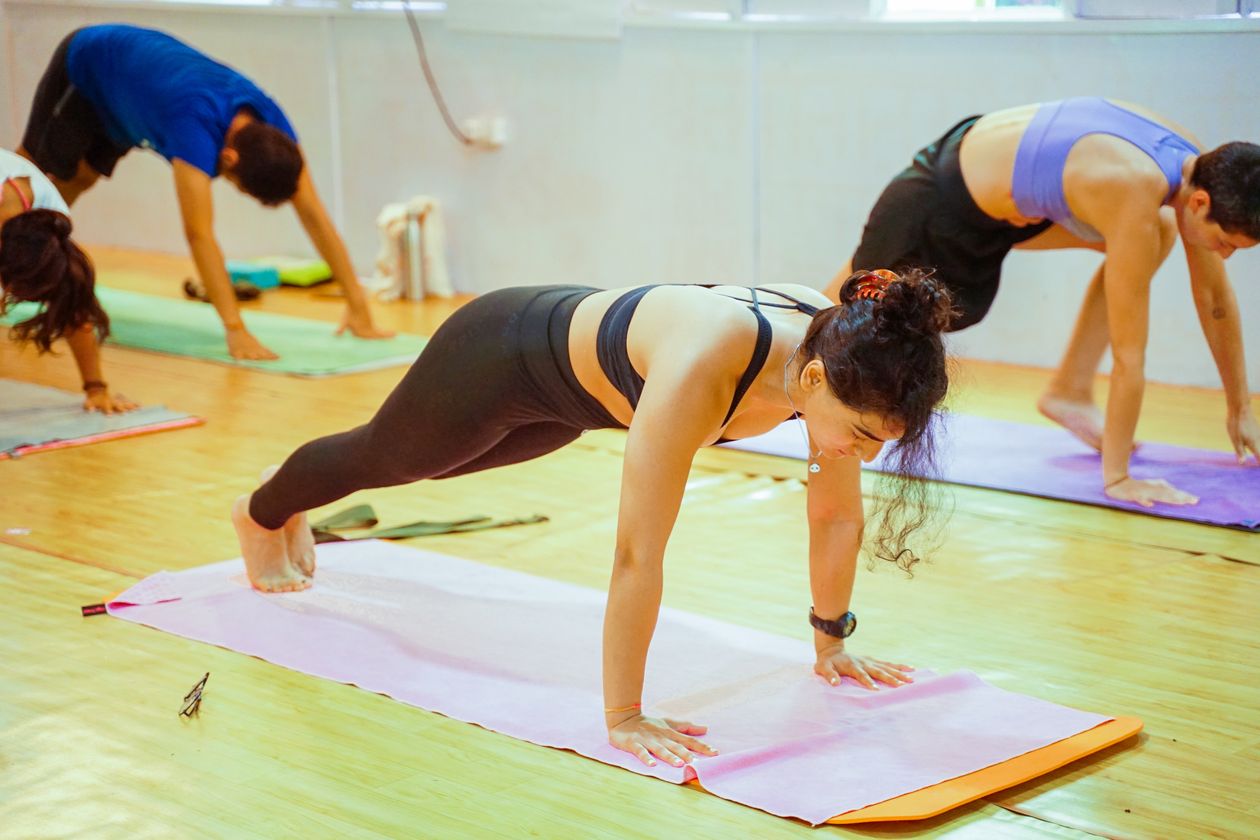
Vinyasa links breath to movement so the class flows from pose to pose, often through repeated sequences that warm the body quickly. It is the most athletic of the three, the warmest room temperature your own body generates, and the one most likely to leave you feeling exercised in the familiar sense. The trade-off is instruction time: in a flowing class there are fewer pauses to explain a pose, so total beginners sometimes spend their first Vinyasa class a half-step behind. Two or three Hatha classes first, to learn the shapes, makes Vinyasa dramatically more enjoyable. After that, many Cornelius practitioners settle into Vinyasa as their main practice and use the slower styles as seasoning.
Kundalini: the inward-facing style
Kundalini classes are built from sets that combine physical exercises, specific breathing patterns, hand positions, and often chanting or mantra, closing with a longer meditation. It looks different from the other two from the first minute, and it aims at a different target: energy, mood, and mental state more than muscle. Skeptics sometimes find the chanting odd for exactly one class and then find it absorbing. The physical work inside it is real but rarely the headline. If your interest in yoga is mainly stress, focus, and the meditative tradition, this is the schedule entry written for you.
Mixing styles is the normal pattern
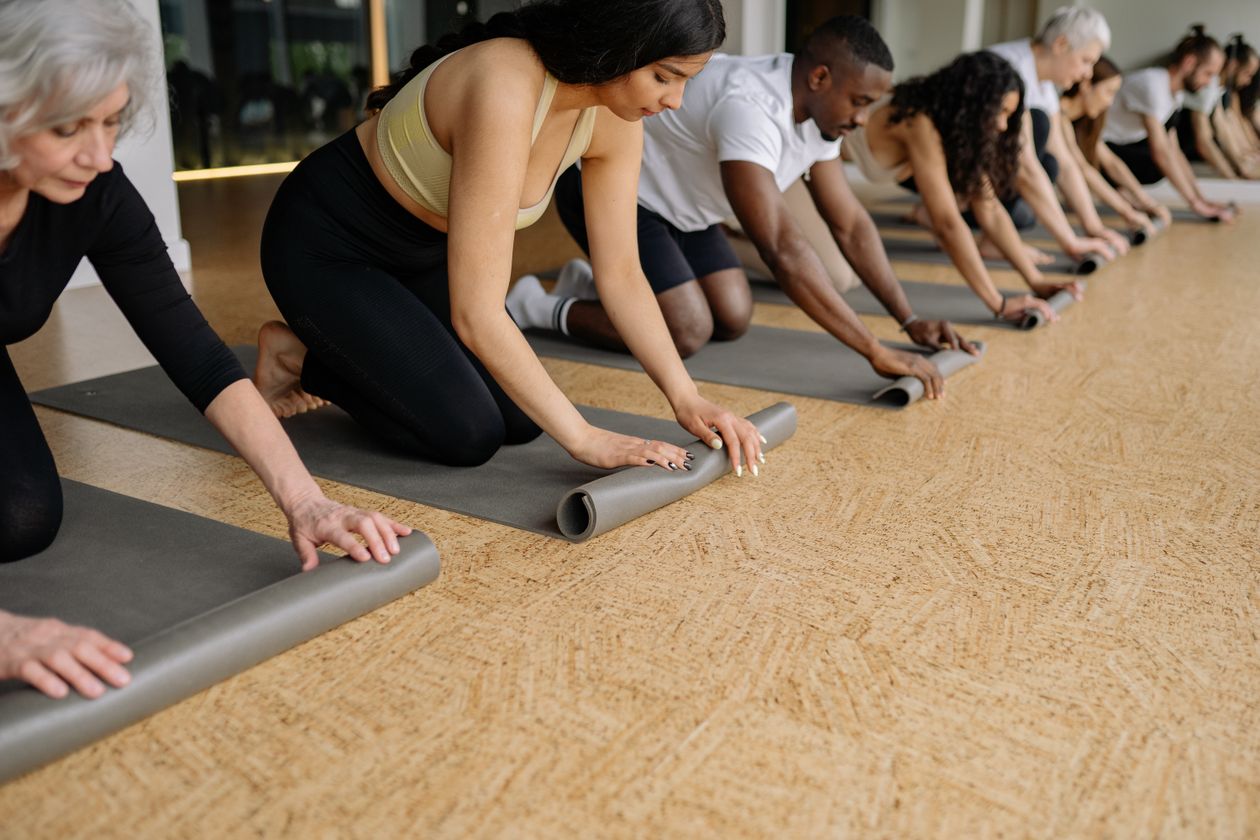
Very few regular practitioners marry one style. A common Cornelius week is a Vinyasa class for movement, a Hatha or deep stretch class for maintenance, and the occasional Kundalini or meditation session when the mind is the noisy part. Studios build schedules expecting exactly this. Read class descriptions rather than names alone, check whether a class is marked for all levels, and let the first month be sampling. Your body will vote clearly, and its vote counts more than any table, including the one above.
One more honest note: teachers matter as much as styles. The same Hatha class taught by two people can feel quite different in pacing and emphasis. If a class misses for you, try the other teacher before writing off the style entirely. Schedules list who teaches what, and regulars choose combinations of style and teacher the way they choose everything else in a practice: by what they keep coming back to.
Common questions
Which style burns the most energy?
Vinyasa, by a wide margin, because the movement is continuous. Hatha is moderate. Kundalini varies by set, with the meditative portions deliberately still.
Which is best for stress?
All three help, by different routes. Hatha calms through steadiness, Vinyasa through exertion, Kundalini through breath and meditation. The best one is the one you will attend weekly.
Can I do Kundalini as a beginner?
Yes. The exercises scale, and teachers explain the breathing patterns. Arrive expecting it to feel different from a fitness class, because it is designed to.
Photos in this guide are representative stock images.
← All guides from Community Yoga← Back to Community Yoga